




Forest Gate man with a van for narrow access on Woodgrange Road
Posted on 14/05/2026
If you live, work, or are moving near Woodgrange Road, you already know the problem: the street can be awkward for larger vehicles, parking is tight, and even a short move can turn into a long day if the access is narrow. That is exactly where a Forest Gate man with a van for narrow access on Woodgrange Road becomes genuinely useful. Not flashy. Just practical, careful, and set up for the sort of jobs where a full-size removals lorry would be more trouble than it is worth.
This guide explains how the service works, why it matters in a busy East London setting, what kind of moves it suits best, and how to make the whole process smoother. Whether you are shifting a sofa from a flat above a shop, moving student bags from one side street to another, or trying to get a heavy wardrobe out without scuffing the walls, the details matter. A lot. And yes, the details are usually where people save time, money, and a fair bit of stress.
For a broader overview of the service family, you may also find the man with a van service in Forest Gate and the wider removal services overview helpful.

Why Forest Gate man with a van for narrow access on Woodgrange Road Matters
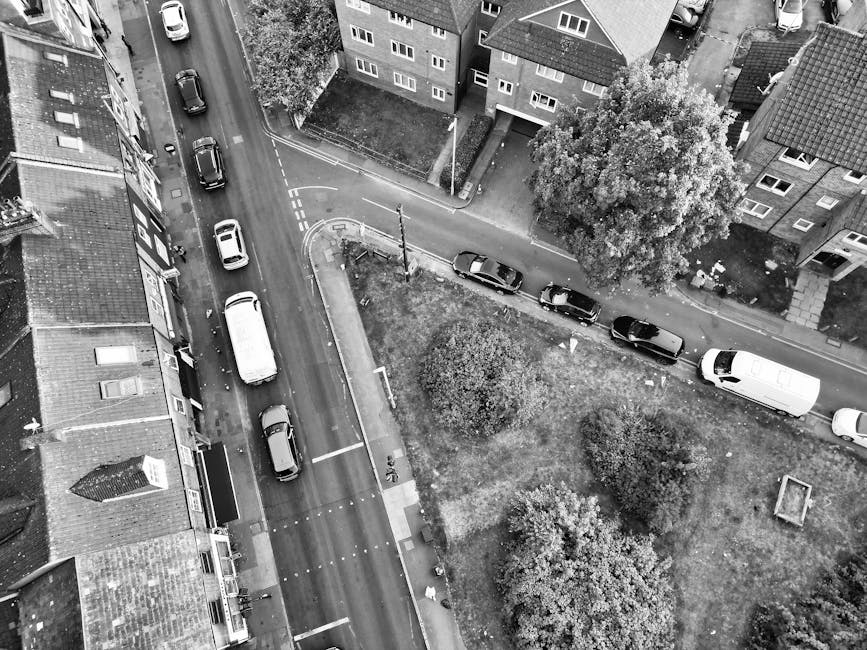
Woodgrange Road and the streets around it are the sort of places where access can be the whole story. Terraced housing, flats with stairwells, shared entrances, limited waiting space, and the usual London mix of parked cars, cyclists, and people trying to get on with their day. A large van can be the wrong fit. Not because it cannot do the job, but because it may not be able to get close enough to the property, or safely position itself for loading and unloading.
That is the real value of choosing a smaller, more agile man and van setup. You are not just booking transport. You are booking the kind of local knowledge that understands side streets, tight corners, time-of-day traffic, and how to work around access constraints without turning a move into a scene.
To be fair, not every move on Woodgrange Road is difficult. But the tricky ones often share the same signs: narrow pavements, an awkward doorway, a basement flat, a top-floor walk-up, or a building where you would rather not drag a three-seater sofa through the wrong angle and hope for the best. That hope tends to be expensive.
A thoughtful approach also helps with nearby services such as flat removals in Forest Gate and furniture removals in Forest Gate, especially when the job involves stair carries, awkward lifts, or limited kerbside space.
Expert summary: Narrow-access moves are rarely about brute strength. They are about vehicle choice, route planning, careful lifting, and getting as close as possible without creating risk or delays. That is what makes the difference on roads like Woodgrange Road.
How Forest Gate man with a van for narrow access on Woodgrange Road Works
The process is usually simple, but the planning behind it should not be. A good narrow-access move begins before the van arrives. The mover needs to understand what is being moved, where it is going, whether there are stairs, what the parking looks like, and whether the item can be carried safely from door to vehicle.
In a typical scenario, you will describe the items, share photos if needed, confirm access details, and agree on a collection window. If the job is near Woodgrange Road, it helps to mention whether there is loading space, whether the entrance is front or rear, and whether the property sits on a road where a larger van would struggle to stop safely. Small detail, big difference.
Once on site, the mover will usually:
- Assess the access route from property to van.
- Check the item size against doorways, stair turns, and corridor width.
- Decide whether items need dismantling, wrapping, or extra lifting help.
- Position the van as close as safely and legally possible.
- Load in a way that protects both the goods and the vehicle.
This is where local experience pays off. Somebody who knows the area may already know the pinch points and the best approach for getting in and out without wasting time. And if the move is urgent, a same-day removals option in Forest Gate can sometimes be the most sensible answer, provided the access and item list are realistic.
If you need packing support too, the packing and boxes service can help make the job cleaner and quicker, especially for mixed loads with fragile items and loose bits that tend to vanish into the void. We have all seen that one cable that disappears the day before a move. Somehow it never comes back.
Key Benefits and Practical Advantages
The best reason to choose a smaller removal van for narrow access is simple: it fits the reality of the street. But there are several practical benefits that often get overlooked when people compare options too quickly.
1. Better access on tight roads
A more compact vehicle is often easier to manoeuvre into narrow residential roads, small forecourts, and awkward loading spaces. On a busy stretch like Woodgrange Road, that can mean less time spent circling, waiting, or parking blocks away.
2. Less carrying distance
The closer the van gets, the less someone has to carry the item by hand. That matters for safety, speed, and reducing the chance of knocking walls, doors, and banisters. It also matters for your back. Lets face it, a few extra metres with a heavy chest of drawers can suddenly feel like a marathon.
3. More flexible for smaller moves
Not every job needs a full-scale removals team. A man and van setup is ideal for one-bedroom flats, student moves, furniture collections, marketplace purchases, or partial house moves. It is a good fit when the load is worthwhile but not massive.
4. Often easier to schedule
Because the operation is lighter and more flexible, it may be easier to arrange short-notice help. If you are in a time crunch, that flexibility can be a relief. Not a luxury, just a relief.
5. Better suited to delicate local logistics
When the streets are busy or the access is cramped, a smaller van and careful handling can reduce disruption. That is especially useful if you are moving furniture, appliances, or items that need a cautious carry rather than a rushed drag.
For people moving heavier household pieces, it is worth looking at practical guides like moving a bed and mattress step by step and storage tips for sofa care. They sound simple, but they prevent plenty of avoidable damage.
Who This Is For and When It Makes Sense
This type of service is not for every move, and that is fine. It is especially useful if you are dealing with one or more of the following:
- A flat or maisonette with narrow stairs or a tight entrance
- A property on or near Woodgrange Road where parking is limited
- A small house move with only a few large items
- A student move with bags, boxes, and a couple of bulky pieces
- An online marketplace purchase that needs picking up the same day
- Furniture delivery into a property where a larger van would be awkward
- Office items, archive boxes, or light commercial equipment
It also makes sense if you want to avoid overpaying for a larger vehicle when you simply do not need one. That happens more often than people admit. A full removals truck can look impressive on paper, but if your access is tight and your load is modest, you may be paying for size rather than suitability.
For student moves, the student removals Forest Gate service is often worth a look. For more contents-heavy relocations, house removals in Forest Gate may be the better fit.
Step-by-Step Guidance
If you want the move to run smoothly, keep it structured. A lot of the stress comes from poor sequencing, not the lifting itself.
Step 1: Measure and photograph the access
Take quick photos of the doorway, hall, stairs, and any awkward bends. If you are moving something oversized, measure the item and the tightest part of the route. This is especially useful for wardrobes, beds, sofas, and appliances.
Step 2: Identify parking and stopping points
Check where the van can stop without blocking traffic or risking a ticket. On roads like Woodgrange Road, a few minutes of thinking here can save a lot of fuss later. If there are restrictions, mention them clearly when you enquire.
Step 3: Sort items by priority
Put fragile, essential, and bulky items into separate groups. If the job involves mixed contents, label them properly. If you need guidance, the decluttering before moving day guide is genuinely useful because it helps reduce the load before anyone lifts a thing.
Step 4: Protect furniture and pathways
Use blankets, straps, bubble wrap, and floor protection where needed. Hallways get scratched quickly in narrow-access moves. Not because people are careless, but because tight spaces leave very little margin. One bump and there it is.
Step 5: Confirm the item handling method
If an item needs dismantling, wrapping, or a second person to carry it safely, make that clear in advance. Some items, like pianos or large freezers, require a very specific approach. For those, specialised pages like piano removals or the guide on how experts manage a smooth piano move are worth reading first.
Step 6: Keep the load path clear on the day
Move bins, bikes, prams, and loose clutter out of the way before the van arrives. A clean route means a faster job and fewer accidents. It sounds obvious, but on moving day obvious things are the easiest to forget.
Step 7: Do a final check before departure
Before the van leaves, walk through the property and check cupboards, loft access, and behind doors. People leave kettles, chargers, and paperwork behind all the time. More often than they would like to admit.
Expert Tips for Better Results
Here is the bit that usually separates a decent move from a smooth one.
- Share access details early. A photo of the entrance and the tightest hallway is often more helpful than a long description.
- Be honest about weight. If an item is too heavy for one person to manage safely, say so. Nobody wins by guessing.
- Use the right packing materials. The wrong box for a heavy item can collapse at the worst possible moment.
- Break down furniture where practical. Flat-pack furniture, bed frames, and some shelving units move more safely once dismantled.
- Keep an essentials bag with you. Documents, keys, chargers, and medication should not disappear into the back of the van.
- Choose timing carefully. Early morning or off-peak slots can be easier on busier streets. Sometimes that one-hour difference changes everything.
One practical tip many people miss: if you are moving a sofa, take door measurements before the move, not during it. The same goes for fridges and large mattresses. If the item fits only by a twist and a prayer, it probably deserves a more considered plan.
If your move includes a freezer or similar appliance, the advice in this freezer storage and durability guide can help you avoid simple mistakes before and after transport.
Common Mistakes to Avoid
Most access problems are manageable. The trouble starts when the move is underplanned.
Booking the wrong size vehicle
People sometimes assume bigger is better. Not always. On narrow roads, a large van can become difficult to position, which then makes loading slower and riskier.
Underestimating stair and hallway constraints
A piece that looks manageable in the living room can become a real problem on a narrow stairwell. Measure the turning points, not just the item itself.
Leaving the packing to the last minute
Last-minute packing creates loose items, poor box weight distribution, and a much higher chance of damage. The innovative packing ideas article is a good reminder that smart packing is mostly about order, not fancy materials.
Ignoring parking reality
In busy parts of Forest Gate, a vehicle may need to stop a short distance away from the door. That is fine if the plan accounts for it. It is not fine if nobody has considered it.
Not preparing fragile items properly
Glass, lamps, mirrors, electronics, and kitchenware need different handling. A bit of padding now can save a costly repair later.
Assuming one person can lift everything alone
Truth be told, that is where many little accidents begin. If you are unsure, use proper help. The practical advice in how to lift heavy items safely is worth a read, but the safest option is usually to avoid the solo lift in the first place.
Tools, Resources and Recommendations
You do not need a warehouse full of kit. But a few sensible tools make narrow-access moves much cleaner.
| Tool or resource | Why it helps | Best for |
|---|---|---|
| Furniture blankets | Reduces scuffs and edge damage | Wardrobes, sofas, tables |
| Straps and trolley | Makes transport safer and more controlled | Heavier boxes and appliances |
| Strong tape and labels | Keeps packing organised and secure | General household moves |
| Door and floor protection | Prevents accidental marks on tight routes | Stairs, hallways, entrances |
| Dismantling tools | Helps reduce bulk and awkward angles | Beds, tables, shelving |
| Quotation and planning pages | Helps you compare scope and timings | Before booking |
If you want a clearer sense of pricing before you commit, the pricing and quotes page is a useful starting point, and the Forest Gate removals cost guide can help set expectations without the fluff.
For additional support around safe handling and service standards, the pages on insurance and safety and health and safety policy are worth checking. They matter more than people think, especially if your move includes expensive or fragile items.
Law, Compliance, Standards, or Best Practice
For most domestic moves, the key issues are not complex law but sensible compliance and safe working practice. That said, there are a few things worth keeping in mind.
First, parking and stopping must be planned around local restrictions. If a van cannot legally stop right outside your property, the route from the nearest safe position should be considered in advance. This is one reason narrow-access jobs benefit from local knowledge. No one wants a rushed loading process with a penalty charge in the background.
Second, lifting should follow accepted manual handling best practice. In plain English, that means using proper technique, avoiding unnecessary solo lifts, and using equipment where it reduces risk. The aim is not just to protect items. It is to protect people too.
Third, if items are being transported for a business, office, or student accommodation with specific building rules, you may need to respect loading bay instructions, access windows, and building management requirements. The office removals service and the broader removal services page can be useful references when planning a more formal move.
Best practice usually looks like this:
- Confirm access and parking before the day
- Use appropriate equipment for lifting and securing
- Protect floors, walls, and furniture during transit
- Keep communication clear about timing and item list
- Choose a vehicle that suits the access, not just the volume
If you want to know more about the company background or service approach, the about us page gives helpful context. And if there is anything you are unsure about, the contact page is the fastest way to ask before booking.
Options, Methods, or Comparison Table
Different move types need different setups. Here is a simple comparison to help you think it through.
| Option | Best for | Strengths | Limitations |
|---|---|---|---|
| Small man and van | Narrow roads, single items, small loads | Flexible, easier access, lower overhead | Limited capacity for very large moves |
| Standard removal van | Medium-sized household moves | Good capacity, suitable for varied loads | Can struggle on tight access roads |
| Full removals truck | Large house moves with open access | High volume, more efficient for big loads | Less suitable for Woodgrange Road-style access |
| Specialist service | Pianos, antiques, delicate equipment | Tailored handling and protection | Usually more specific planning needed |
In short, the better the access, the more options you have. The tighter the access, the more important vehicle size and local planning become. Simple, really. But it is surprising how often that gets ignored.
Case Study or Real-World Example
Imagine a resident in a first-floor flat just off Woodgrange Road who needs to move a sofa, a bed frame, four boxes, and a washing machine to another property a few streets away. A large van is technically available, but the road layout is narrow and parking is already tight by late morning. The stairs inside the building are narrow too, with a turn halfway up.
In this situation, the most sensible approach is usually not the biggest vehicle. It is the one that can stop safely close enough for short carries, with enough flexibility to manage stair access and awkward angles. The sofa may need to be wrapped and carried on its side. The bed frame may need dismantling. The washing machine may need a sack truck or at least two-person handling. Nothing dramatic, just careful work.
The difference between a smooth move and a frustrating one often comes down to the prep done the day before. The resident measures the staircase, clears the hallway, labels the boxes, and confirms parking conditions. On the day, the mover arrives ready to load quickly, avoids unnecessary lifting back and forth, and gets the job done without damage. Not glamorous. But very effective.
That kind of job is exactly why local moving support exists. The road is narrow, the access is awkward, and the move still needs doing. No drama required.
Practical Checklist
Use this before your move on or near Woodgrange Road.
- Confirm the item list and share photos if needed
- Measure doorways, hallways, stairs, and any tight corners
- Check parking and stopping options near the property
- Decide which items need dismantling or extra wrapping
- Pack heavier items in smaller boxes
- Label fragile and priority boxes clearly
- Clear the route from front door to van
- Protect floors and walls where the carry is tight
- Keep keys, documents, and essentials separate
- Ask about insurance, timing, and what is included
- Read about relevant support services such as removal van options in Forest Gate and local removals if your move may be larger than expected
If you also need to clear unwanted items before moving, the recycling and sustainability page is a sensible extra resource. It is nice when a move does not leave a pile of useless bits behind. Less clutter, less stress.
Conclusion
A Forest Gate man with a van for narrow access on Woodgrange Road is not just a convenience. For the right move, it is the practical answer. Narrow streets, limited parking, tight stairwells, and awkward loading space all call for a service that understands local conditions and handles them calmly.
The best results come from good planning, honest item descriptions, and the right-sized vehicle. Keep the route clear, measure the awkward bits, and choose a mover who knows how to work carefully in tight spaces. That is what turns a stressful job into a manageable one.
If your move is approaching and you want to keep things straightforward, a little planning now will save you a lot of hassle later. And once it is done, you will probably wonder why you worried quite so much in the first place.
Get a free quote today and see how much you can save.