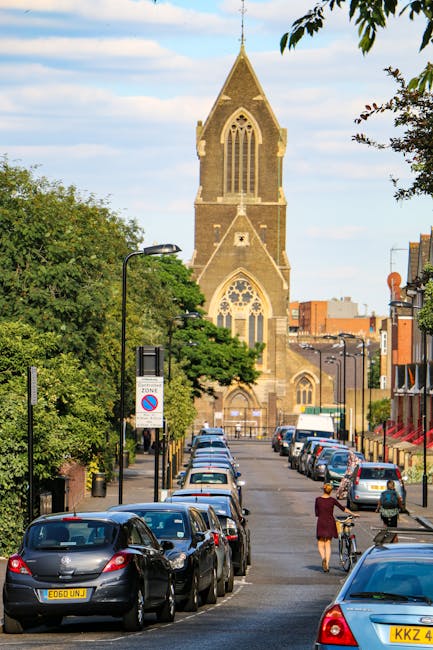
Man with a van in Forest Gate

Man With A Van Forest Gate provides man with a van in Forest Gate for homes, flats and businesses that need practical transport for furniture, boxed goods and other items that are ready to move. The service is suited to smaller removals, single-item collections and careful local or longer-distance transport when a full removal team would be more than is needed. It is a straightforward option for people who want items moved with attention to handling, loading order and sensible planning.
Customers often choose this kind of service when they need flexibility rather than a large vehicle and a full crew. That can include moving part of a home, taking furniture to storage, shifting office items between sites or collecting a purchase that will not fit in a car. If you are comparing options, it helps to think about the access at each end, the volume of items and whether anything needs dismantling or protection during transit.
For a quotation, share what needs moving, where it is going and any details that affect loading or parking. You can review pricing and quote information before sending an enquiry, then ask for the most suitable transport option for your job. If the move includes additional handling, the right plan will usually be based on time, item size and the access at both properties.
Transport for household and business items
Our work centres on moving items safely and sensibly, rather than treating every job as if it were a full-scale house clearance. A man and van arrangement is useful when the load is varied but still manageable, such as boxed belongings, a sofa, wardrobes, a mattress, a few office chairs or mixed stock for a small business. The emphasis is on a clean transfer from collection point to destination, with care given to stacking and protection.
We can also support customers who need an adaptable vehicle for home moves that do not require a large team. That may suit a studio, a small flat, a room move or a partial household relocation. The service can be planned around the access available, which helps when stairwells, narrow corridors or waiting restrictions make timing and load order more important than sheer vehicle size.
Items that are awkward, heavy or fragile need clear handling instructions, and it is worth separating what will travel together from what needs extra care. A concise inventory makes the job easier to estimate, especially if you are moving a mixture of furniture and cartons. Clear information at the outset helps reduce avoidable delays and makes it easier to match the vehicle and method to the task.
Collections, deliveries and item-only moves

Some customers only need one item or a small set of pieces moved, and that is where a flexible van service can be especially practical. It is often used for marketplace collections, purchased furniture, appliances, or surplus items being transferred to another address. The same approach works well for furniture pick-up where the priority is safe handling and sensible loading rather than a complex removals plan.
These smaller jobs still benefit from a clear description of the items involved. Size, weight, fragility and whether the item can be carried in one piece all affect the arrangements. If something requires two people to lift, needs wrapping or must stay upright, that information matters. It is also helpful to note whether lifts, stairs or parking restrictions will shape the route between vehicle and property.
Good preparation is mostly about accuracy, not complexity. A few basic details allow the move to be planned without overcomplicating the process. Where possible, keep the items together before the agreed time and make sure access is open at the collection and drop-off points. If you are unsure how to describe the load, list the largest pieces first and then add the smaller boxes or bags around them.
House moves and partial removals
When the load is larger than a simple collection, a van-based removals service can still be the right fit. We cover house removals for people who are relocating all or part of a home and want a controlled, direct service rather than a broad package with features they do not need. This is useful for local moves, partial moves and situations where space, timing or access are the main practical considerations.
The service can also suit people who are moving into or out of rented property, handling a side return move, or transferring belongings between family addresses. If the job includes a bed frame, dining set, cupboards or stacked boxes, the main question is how those items should be loaded so they travel securely. A sensible van layout can make a large difference to how smoothly the move runs.
For jobs with mixed contents, it is usually best to separate everyday possessions from awkward furniture and breakable items before the van arrives. That allows the load to be arranged by weight and shape, with lighter cartons placed where they will not be crushed. If dismantling is needed, it should be planned in advance so the work can be completed without rushing. Practical handling matters more than unnecessary extras.
Packing, loading and basic move planning

Some moves are made easier by a little planning before collection day. If you need to prepare boxes, protect corners or group similar items, our packing and unpacking services may be useful alongside the main transport task. Even when you are doing the packing yourself, using strong cartons, clear labels and sensible weight distribution makes the load easier to carry and stack.
Loading order is important whenever the job includes a mixture of shapes and weights. Heavy pieces should be placed securely, with more delicate belongings protected from pressure and movement. Long items, mirrors and table tops may need extra space or padding. Where needed, the driver and customer can agree which items should go in first so the van is filled in a stable and efficient way.
You can also help by confirming the collection and delivery points, especially if access is shared or parking is limited. If a building has a lift, a loading bay or a time restriction, mention it early so the move can be organised realistically. The best enquiries are simple: what is moving, where it is going and what access is available. That gives enough information to plan the right service.
Office and commercial transport
Businesses often need a flexible van service for items that are too much for staff cars but too small for a dedicated lorry. That may involve desks, chairs, files, IT equipment, marketing materials or boxed stock that needs to be shifted between premises. Our commercial moves support organisations that want the work handled with care and without unnecessary disruption to the day.
Commercial jobs benefit from a tidy plan because items often need to be kept in a particular order. Some loads include equipment that should remain upright, while others contain confidential materials that need to be separated clearly. It is sensible to identify whether items are going to storage, to another branch or to a temporary location, because that affects how they should be sorted before travel.
For office moves, it helps to keep cables, small accessories and item labels together before the van arrives. That way the delivery side is easier to reconstruct and less time is spent identifying parts later. Where a business has narrow time windows or shared access, a single vehicle can be a practical way to keep the process compact. The key is accurate information rather than an oversized plan.
About Forest Gate
Forest Gate is a district in the London Borough of Newham, in east London, with a long history shaped by suburban growth, rail travel and the expansion of the capital in the nineteenth century. The name refers to the former gate of Epping Forest that once stood on the old road into the forest, and the area later developed around Forest Gate station, which opened in 1839. Today the district sits close to Stratford and Upton Park, while remaining distinct in character through its residential streets, terraces and the mixed patterns of development that spread out from the railway corridor. Woodgrange Road forms one of the area’s best-known local routes, with shops and services lining the street and linking the neighbourhood to surrounding parts of Newham. Wanstead Flats, part of Epping Forest, lies to the north and provides open grassland, tree cover and walking routes that contrast with the denser built-up streets nearby. The area’s housing includes Victorian and Edwardian terraces, later infill development and a range of converted properties, reflecting the gradual layering of east London growth over time. Forest Gate is also associated with a varied community life, local religious buildings and small businesses that serve everyday needs. Its position between larger transport corridors and open green space gives it a practical, lived-in feel, while the surviving street pattern and historic buildings keep visible links to earlier phases of London’s expansion.
Why the service suits different move sizes
One of the strengths of this kind of van-based removals work is that it can be adapted to the amount of help actually needed. Some customers only require transport, while others need help with lifting, loading and arranging items in the vehicle. The aim is not to force every job into the same template, but to provide a measured service that matches the type of contents and the route involved. That makes it a sensible option for smaller or mixed loads.
Where there are pieces of different sizes, the vehicle can be organised to keep the load balanced and secure. Softer items may sit around rigid furniture, while protective materials can be used where surfaces might otherwise rub. If the move includes more than one stop, it is worth saying so early, as that affects both route planning and the order in which items need to be loaded. A well-planned van run can save time and reduce handling.
If you are working to a deadline, say so clearly when you ask for a quotation. Even without making promises about speed, it helps to know whether the timing is flexible or fixed around access, collection windows or key handover. For many customers, the most useful question is simply whether the load will fit a van-based plan rather than a larger removal operation. If it will, the next step is usually straightforward.
Handling, protection and practical limitations

Not every item is equally easy to move, and a sensible service should acknowledge that. Large mirrors, glass tables, awkward appliances and older furniture with loose fittings may need extra care or specific handling instructions. Where items are delicate, disassembled or irregular in shape, it helps to flag them individually so the load can be arranged around them rather than pushed together without thought. Careful handling is the basis of a tidy move.
Some limitations are practical rather than technical. Access may be tight, parking may be restricted, or an item may need more than one person to carry safely. In those situations, the best result usually comes from planning the move around what is realistic rather than forcing it into a rushed approach. If the job includes stairs, long carries or awkward turns, say so clearly and describe the largest pieces first.
Our insurance and safety information explains the approach taken to safe handling and responsible working practices. For customers, the most useful part of that conversation is knowing that suitable care is expected at each stage, from loading to delivery. If there are fragile surfaces, valuable pieces or items that should not be stacked, state that early so the loading plan can respect those limits.
Preparing a quotation for your move
When you request a quotation, the main aim is to describe the job clearly enough for the vehicle and the work involved to be estimated properly. A short list of items, the addresses or areas involved, and any access notes usually give enough to begin. If dismantling, wrapping or multiple stops are part of the job, mention them rather than leaving them to be discovered later. That makes the process more accurate and avoids unnecessary back-and-forth.
Useful details include the number of floors, the presence of a lift, whether parking is straightforward and whether the move includes both furniture and smaller packed belongings. If you are comparing service options, it can also help to note whether the job is a collection, a delivery, a partial home move or a business transfer. You do not need to produce a perfect inventory before making contact, but a clear outline improves the estimate.
For the next step, send the basic move details and ask for a quotation in plain terms. If you want to see how the service is presented across the website, read about our man and van service, then use the contact route that suits you. A simple, well-described enquiry is usually the quickest way to get a useful response.
Planning a move with the right level of support
There is no single correct way to organise a van move, because the right setup depends on the contents, the timing and the level of help required. Some people need a basic collection and delivery, while others need the extra reassurance of loading support and careful placement of furniture in the vehicle. The value of the service lies in fitting around the job rather than making the job fit a fixed format.
It can be useful to think through the move in three parts: what is being moved, where it is going and what makes the access straightforward or difficult. Once those points are clear, a quotation can be shaped more accurately and any extra handling can be discussed in a sensible way. If there are questions about route, item size or the amount of loading needed, it is better to raise them early than to leave them uncertain.
If you are ready to arrange transport, request a quotation here. This is the best place to begin if you want a clear price discussion for a van-based move in Forest Gate, whether the job involves one item, several rooms or a small business load.
Related service options

Some customers prefer to compare similar services before deciding how to proceed. If your move is more substantial, our removal services page is useful for understanding the broader options available across household and business moves. If you need a simple vehicle-only arrangement, the man and van format may still be the most appropriate because it keeps the work focused and avoids unnecessary complexity.
Where a larger home relocation is involved, it can also help to look at house movers and see how that type of service differs from a smaller van job. This distinction matters because some moves need more hands, more time or a different loading approach, while others are better handled by a compact vehicle that can be arranged around access and item mix. Choosing the right scale from the outset can make the whole move easier to manage.
Whatever the size of the job, the most useful final step is to make the details clear and ask for the quotation that fits your load. If you have measurements, a short item list or notes about access, include them with your enquiry and keep the message direct. That gives the service provider the best basis for a practical response.